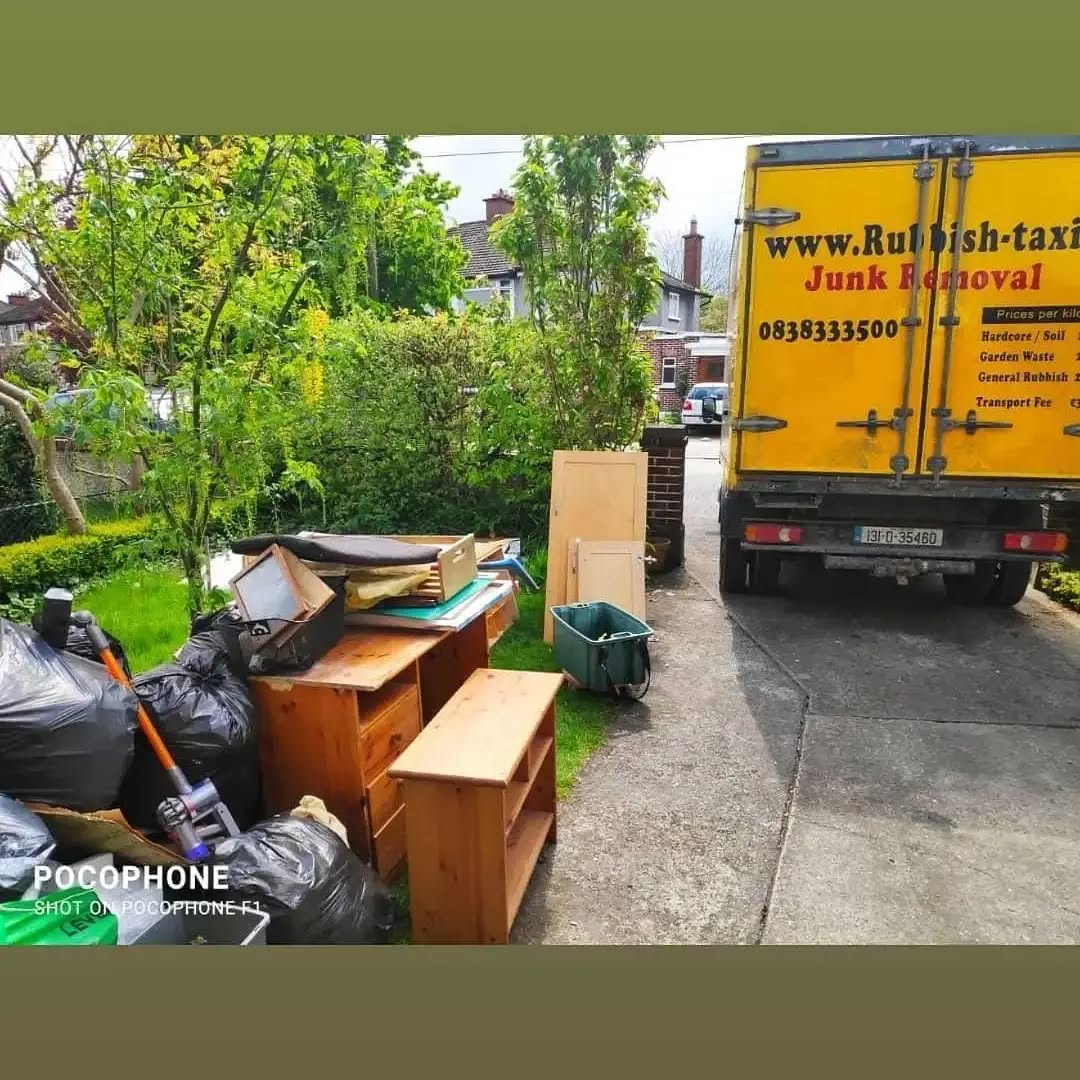
Blog

  • Rubbish Collection Dublin: Your Fast, Friendly Path to a Clutter-Free Life with Rubbish Taxi

    Rubbish Collection Dublin: Your Fast, Friendly Path to a Clutter-Free Life with Rubbish Taxi

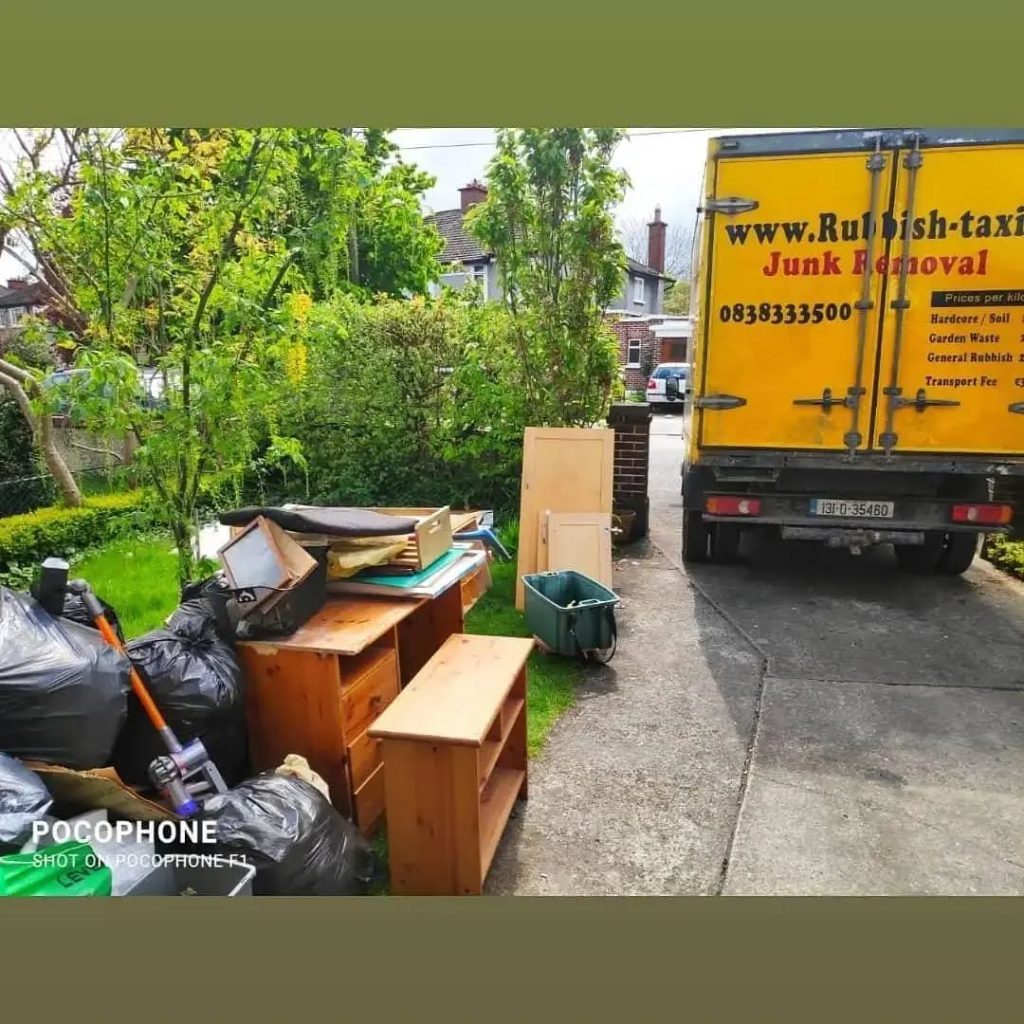
    Rubbish collection in Dublin doesn’t have to mean waiting weeks for a skip or wrestling bulky junk into your car. At Rubbish Taxi, we make it dead simple: you point, we load, we vanish with your mess—and leave your space spotless. Picture this: a quick call or online quote, two friendly lads with a van who handle everything, and poof, your garage/garden/office transforms back into usable space. We’re Dubliners helping Dubliners, with over a decade of clearing chaos responsibly and affordably.

    Whether you’re a busy family drowning in garden waste, a renovator buried under building rubble, or a business owner needing an office refresh, Rubbish Taxi steps in as your on-demand rubbish taxi. No contracts, no hidden fees, just reliable collection that fits your life.

    Meet Rubbish Taxi: Dublin’s Go-To for Stress-Free Waste Removal

    Imagine finally tackling that corner of your home piled high with “someday” projects—old furniture, broken appliances, kids’ outgrown toys. That’s where Rubbish Taxi shines. We’re a fully licensed, man-and-van service based right here in Dublin, specialising in same-day or next-day pickups across the city and surrounds.

    Our teams arrive on time, in branded vans, ready to lift, load, and dispose. We handle the heavy stuff so you don’t have to. Send us a photo or video via WhatsApp for an instant free quote—no guesswork, no obligations. Customers love how we sweep up after ourselves, leaving floors cleaner than we found them. It’s not just rubbish collection; it’s your space reclaimed, with a smile.
    Rubbish Collection Dublin
    Rubbish Collection Dublin

    Household Junk? We’ve Got the Full Clear-Out Covered

    Dublin homes fill up fast—think post-Christmas clutter, renovation leftovers, or that attic you swore you’d sort “next weekend.” Rubbish Taxi’s domestic services tackle it all: sofas, mattresses, wardrobes, fridges, even kids’ bikes cluttering the hallway.

    We specialise in complete house clearances, room-by-room jobs (kitchens, living rooms, bedrooms), or one-off items. Need a shed or garage emptied before selling the house? Done. Our eco approach means we recycle what we can—furniture to charities, metals to scrap yards, garden waste to composting—diverting landfill waste wherever possible. One happy Tallaght customer shared: “They cleared my entire garage in 30 minutes flat. Polite lads, fair price, and my driveway sparkled after.”

    Garden Waste Woes? Green Thumbs Up from Rubbish Taxi

    Ireland’s gardens burst with life—and rubbish. Soggy leaves, overgrown branches, grass clippings, old sheds, even rusty barbecues. Dublin’s small back gardens turn into dumping grounds fast, especially after storms or DIY landscaping gone wild.

    Rubbish Taxi hauls it away hassle-free. Our teams bag, load, and dispose responsibly, turning your jungle into a zen space. We handle everything organic and non-organic: tree trunks, soil bags, cracked pots. Perfect for pre-spring tidy-ups or post-party cleanups. Bonus: we comply with all Dublin City Council regs, so no fines or fuss for you.

    Builders and Renovators: Skip the Skip with Our Site Clearances

    Renovating in Dublin? Plasterboard mountains, timber offcuts, concrete chunks, and dusty rubble make every site a nightmare. Traditional skips block driveways, cost a fortune in permits, and take ages to fill right.

    Enter Rubbish Taxi as your skip alternative. We bring the van, the muscle, and the know-how to clear building waste fast—same day if needed. Ideal for extensions, kitchen refits, or full knock-downs. We sort recyclables on-site, keeping costs low and the planet happy. Tradespeople rave about our 60-minute response times: “Saved my deadline—and my back,” says one Clondalkin builder.

    Businesses Breathe Easy: Commercial and Office Clearances

    Dublin’s buzzing offices and shops generate endless paper, furniture, electronics, and general waste. From confidential shredding to full office moves, Rubbish Taxi keeps your workspace sharp without downtime.

    We clear commercial junk—cafeteria appliances, broken shelving, outdated IT gear—discreetly and efficiently. Regular collections available too, tailored to your bins or schedules. GDPR-compliant for sensitive waste, fully insured, and zero disruption. One Rathmines café owner noted: “They emptied our storeroom overnight. Professional, quiet, and half the price of competitors.”

    Why Dublin Chooses Rubbish Taxi: People, Planet, Price

    We’re more than a removal service; we’re your local solution with a human touch. Here’s what sets us apart:

    • Speedy Service: Same-day response, often within the hour. No endless queues.
    • Transparent Pricing: Online estimator or WhatsApp quotes. What you see is what you pay—no surprises.
    • Eco Warriors: Maximum recycling, minimum landfill. Licensed by the EPA, we track every load.
    • Zero Hassle: We lift it all, sweep up, and handle disposal permits. You relax.
    • Dublin-Focused: We know the streets, shortcuts, and council rules inside out—from Tallaght to Swords.

    Real talk from a Swords resident: “After moving house, the junk pile was huge. Rubbish Taxi quoted instantly, arrived next morning, and left everything pristine. Life-savers!”

    How It Works: From Clutter to Clear in 3 Easy Steps

    1. Contact Us: Snap a pic/video, WhatsApp it, or use our site estimator. Get your no-obligation quote in minutes.
    2. Book Your Slot: Pick same-day, next-day, or scheduled. We confirm via text/call.
    3. We Handle the Rest: Team arrives, loads up (you show, they go), tidies, and sends a waste transfer note. Done.

    Covering Dublin City, Dún Laoghaire-Rathdown, Fingal, and South City— we’re your rubbish taxi, always.

    Client Stories: Real Dubliners, Real Results

    We’ve helped thousands, but here are a few that stick:

    • The Tallaght Family: Cleared a decade of attic junk before a new baby arrived. “Space for a nursery now!”
    • Clontarf Renovator: Post-kitchen-fit rubble gone in under an hour. “No skip blocking the road.”
    • Sandyford Office: Annual clear-out of old desks and PCs. “Team was in at 7pm, out by 8pm. Seamless.”

    Ready to Call Your Rubbish Taxi?

    Dublin life moves fast—don’t let junk slow you down. Rubbish Taxi turns “problem pile” into “problem solved,” with friendly faces and fair prices.

  • What was the drink drive limit in Ireland in 1974?

    What was the drink drive limit in Ireland in 1974?

    In 1974, the drink driving limit in Ireland was significantly different from today’s strict standards, but the exact figures and the stories surrounding them are often misunderstood or distorted by myths.

    The Legal Drink Driving Limit in Ireland in 1974

    The first official drink driving limit in Ireland was introduced in 1967, setting a blood alcohol concentration (BAC) limit of 80 milligrams of alcohol per 100 millilitres of blood (0.08%). This was the legal standard during the early 1970s, including 1974. However, some sources mention a slightly higher limit in the early 1970s—around 125 mg/100ml blood—before the 80 mg limit became firmly established. This higher limit was linked to the introduction of breathalyser tests in 1969, which initially used a 125 mg/100ml threshold to determine intoxication.

    The Myth of the “12 Pint Limit” and Public Reaction

    A persistent and widely circulated myth claims that in 1974 Ireland had a “12 pint driving limit” and that this led to violent protests in Dublin. According to this story, motorists were previously allowed to drink up to 22 pints before being considered unfit to drive, and the government’s decision to reduce this to 12 pints caused outrage and riots.

    However, this narrative is entirely false and has been debunked multiple times. The “12 pint limit” and the associated protests are fabrications, often originating from satirical or hoax news sources. There is no historical evidence or credible records of such a law or violent demonstrations related to it. The claim that motorists were once legally allowed to drink 22 pints before driving is also untrue and part of the same myth.

    What Was Actually Happening in 1974?

    In reality, Ireland’s drink driving laws were tightening during the early 1970s in response to rising road traffic fatalities. The introduction of the breathalyser in 1969 gave Gardaí new powers to enforce drink driving laws, and the legal BAC limits were being standardized and lowered to improve road safety.

    The confusion around “pints” as a measure likely stems from misunderstandings of alcohol units and how blood alcohol concentration correlates with the amount of alcohol consumed. For example, the state pathologist in 1969 estimated that a man weighing about 11 stone (roughly 70 kg) would reach the 125 mg BAC limit after consuming approximately two and three-quarter pints of beer or four small whiskies. This shows that even a few pints could push a person over the legal limit.

    Summary and Context

    • In 1974, the legal BAC limit was approximately 80 mg/100ml blood, aligning with the original 1967 law, although some sources mention a transitional period with a 125 mg limit after the breathalyser introduction in 1969.
    • The “12 pint limit” story is a myth and has no basis in fact; no such law or violent protests occurred in 1974 or any other time.
    • The legal limits were designed to reduce drink driving deaths, which were a serious problem in the early 1970s.
    • Alcohol consumption equivalent to just a few pints could exceed the legal limit, depending on body weight and metabolism.
    Garda
    Garda

    The drink driving limit in Ireland in 1974 was governed by laws introduced in the late 1960s, with a BAC limit of about 80 mg per 100ml of blood. The sensational story of a 12 pint limit and ensuing riots is a fabrication without historical truth. Understanding the real history of drink driving laws helps dispel myths and highlights the ongoing importance of responsible drinking and road safety in Ireland.

    How Long Does It Take for 2 Pints to Leave Your System?

    Ever found yourself wondering, “How long do I have to wait after two pints before I’m safe to drive in Ireland?” You’re not alone! With strict drink-driving laws and random roadside checks, understanding how your body processes alcohol is more important than ever. The reality is, on average, it takes about four hours for your body to fully metabolise two pints of beer—but this can vary a lot depending on your weight, gender, what you’ve eaten, and your metabolism. If you want a detailed breakdown of the science, practical tips, and why erring on the side of caution is always the best move, check out this in-depth guide: How long does it take for 2 pints to leave your system?


    Is 4 Pints of Beer Too Much?

    Let’s be honest—four pints is a big night out for most people. But is it too much, especially if you’re thinking about driving? The answer is a resounding yes. Four pints will almost certainly put you over Ireland’s legal blood alcohol limit, no matter your size or tolerance. Not only does it seriously impair your reaction time and judgment, but it also puts you at risk of hefty fines, driving bans, and even jail time. Curious about the numbers, the risks, and the real consequences? Get the facts here: Is 4 pints of beer too much?


    Is 1 Pint Over the Driving Limit in Ireland?

    It might surprise you, but for many drivers in Ireland—especially learners, novices, and professionals—even one pint can be enough to put you over the legal limit. The thresholds are so low that just a single drink could land you in hot water with the law. Want to know how this plays out in real life, and what you need to watch out for? This article breaks it all down in plain English: Is 1 pint over the driving limit in Ireland?


    Is 2 Pints Above the Limit?

    Think two pints is a “safe” amount? Think again. For many people, two pints is enough to tip you over the legal blood alcohol limit—especially if you’re a learner, novice, or professional driver. The penalties for getting it wrong are steep and can have long-lasting effects on your licence and insurance. For a clear, no-nonsense explanation of how two pints can put you at risk, read: Is 2 pints above the limit?


    Stay safe, stay informed, and always make the smart choice before getting behind the wheel. Ireland’s drink-driving laws are there for a reason—protect yourself and everyone else on the road by knowing your limits and planning ahead!

  • Will I be over the limit after 3 pints?

    Will I be over the limit after 3 pints?

    In Ireland, drink driving laws are strict, reflecting the serious risks alcohol poses to road safety. Many people wonder how much alcohol they can consume before exceeding the legal limit. A common question is: “Will I be over the limit after 3 pints?” The answer depends on several factors including the legal limits, individual body metabolism, and timing of consumption.

    Will I Be Over the Limit After 3 Pints? Understanding Drink Driving Limits in Ireland

    What Are the Legal Drink Driving Limits in Ireland?

    For fully licensed drivers (ordinary drivers), the legal blood alcohol concentration (BAC) limit is 50 milligrammes of alcohol per 100ml of blood (0.05%). For learner, novice, and professional drivers, the limit is much lower at 20 milligrammes per 100ml of blood (0.02%). These limits correspond to 22 microgrammes of alcohol per 100ml of breath for ordinary drivers and 9 microgrammes for specified drivers.

    How Much Alcohol Is in a Pint?

    In Ireland, a standard pint of beer typically contains about 2 to 3 units of alcohol, roughly equivalent to 10 grams of pure ethanol per unit. One pint can contain approximately 20 to 30 grams of alcohol depending on the strength of the beer. This amount can vary, but for estimation, one pint is often considered roughly one standard drink.

    Could 3 Pints Put You Over the Limit?

    According to experts and official sources, drinking even one pint of beer or one glass of wine can put you over the legal limit, especially for learner or novice drivers where the BAC limit is lower (20mg/100ml). For fully licensed drivers, consuming 3 pints is very likely to push your BAC well above the 0.05% limit, particularly if consumed within a short period.

    The exact BAC after drinking 3 pints depends on several factors:

    • Body weight and gender: Smaller or lighter individuals, and women generally metabolize alcohol differently and may reach higher BACs faster.
    • Time elapsed: Alcohol takes time to metabolize; drinking 3 pints quickly will lead to a higher peak BAC than spreading them out over several hours.
    • Food intake: Eating before or while drinking slows alcohol absorption.
    • Metabolism and health: Individual metabolic rates vary.

    A rough guideline suggests that for most men, 1 pint might bring BAC close to or just over the 0.05% limit, so 3 pints would almost certainly exceed it. For women, even fewer pints can exceed the limit due to generally lower body mass and different alcohol metabolism.

    Risks of Driving After Drinking 3 Pints

    Driving after consuming 3 pints significantly impairs your ability to drive safely. Alcohol affects reaction time, judgment, coordination, and concentration. Even if you feel “okay,” your BAC could be illegal and unsafe.

    The penalties for drink driving in Ireland are severe:

    • For ordinary drivers with BAC between 50mg and 80mg per 100ml of blood, the penalty is a €200 fine and a 3-month driving ban.
    • For BAC over 80mg, penalties increase to a €400 fine and a 6-month ban.
    • For learner, novice, and professional drivers, the limits and penalties are stricter.

    Key Takeaways for Irish Drivers

    • Three pints can easily put you over the legal limit. It is safest not to drive after drinking any alcohol.
    • Learner and novice drivers have a much lower limit (20mg/100ml), so even one pint can be too much.
    • Alcohol can remain in your system for hours, so avoid driving the morning after heavy drinking.
    • Road conditions in Ireland, including narrow and winding roads, require full alertness. Driving impaired is dangerous.
    Garda
    Garda

    Was There Ever a 12 Pint Driving Limit in Ireland? Let’s Set the Record Straight

    If you’ve ever heard someone claim that Ireland once had a “12 pint driving limit,” you’re not alone. This urban legend pops up now and then, often with wild stories about protests and public outrage in the 1970s. But did Ireland really ever allow drivers to have 12 pints before getting behind the wheel? The answer is a resounding no! The real history of Ireland’s drink-driving laws reveals a steady tightening of limits, not a wild free-for-all. The myth of the 12 pint limit has been debunked by fact-checkers and historians—there’s simply no record of such a law ever existing. For the full story and a fascinating look at how these myths persist, check out the deep-dive here: Was There Ever a 12 Pint Driving Limit in Ireland? Let’s Set the Record Straight1.


    How Long Does It Take for 2 Pints to Leave Your System?

    Ever wondered how long you need to wait after a couple of pints before you’re safe to drive? This is one of the most common questions among Irish pub-goers, especially with today’s strict drink-driving laws. The answer isn’t as straightforward as you might think—factors like your weight, metabolism, and even what you’ve eaten can all play a role. Generally, it takes about two hours for your body to process one pint, but this can vary widely. Want to know more about the science behind it and get tips for staying safe? Don’t miss this essential guide: How Long Does It Take for 2 Pints to Leave Your System?


    Is 4 Pints of Beer Too Much?

    Let’s be honest: four pints might sound like a fun night out, but is it pushing the limits—legally and health-wise? For most people, four pints will definitely put you over the legal driving limit in Ireland, and it’s likely to leave you feeling the effects the next day as well. Beyond the legal risks, drinking this much in one sitting can have serious impacts on your health and judgment. If you want to know exactly what happens to your body after four pints, and whether you should think twice before ordering that next round, check out this insightful article: Is 4 Pints of Beer Too Much?


    Is 1 Pint Over the Driving Limit in Ireland?

    You might be surprised to learn that even a single pint could put you over the drink-driving limit in Ireland, especially if you’re a learner, novice, or professional driver. The legal limits are now so low that for some people, one drink is all it takes to break the law. Curious about how the rules work, and what you need to know before having that “just one”? This article breaks it down in clear, practical terms: Is 1 Pint Over the Driving Limit in Ireland?


    Is 2 Pints Above the Limit?

    Many people assume two pints is a “safe” amount, but the reality is much riskier. Depending on your weight, gender, and how quickly you drink, two pints could easily put you over the legal limit. The consequences for getting caught are steep—from fines and bans to a criminal record. Want to see how the numbers stack up and what the experts say? Read the full analysis here: Is 2 Pints Above the Limit?


    Whether you’re a local or just visiting, it pays to know the facts about Ireland’s drink-driving laws. Don’t fall for the myths—get the real story from trusted sources and stay safe on the roads!

    In Ireland, the safest choice is to avoid driving after drinking any amount of alcohol.

    While the legal limit for fully licensed drivers is 50mg per 100ml of blood, consuming 3 pints of beer will almost certainly exceed this limit for most people. The risks of accidents and legal consequences are high, so plan ahead for a designated driver or alternative transport if you intend to drink.

    Stay safe and enjoy Ireland responsibly.

  • Copper: The Rockstar of Scrap Metals

    Copper: The Rockstar of Scrap Metals

    Alright, folks, let’s dive into the shiny world of scrap metal in Ireland — yes, that stuff you might be tempted to toss out but could actually be a goldmine! If you’ve ever wondered what scrap metal is worth the most right now, or been curious about what are the latest scrap metal prices?, you’re in the right place. I’m here to spill all the juicy details on how you can turn your old metal junk into cold, hard cash in 2025.


    Copper: The Rockstar of Scrap Metals

    Let’s get straight to the point — copper is the absolute superstar in the scrap metal game right now. This reddish metal is everywhere: in your wiring, plumbing, and even some electronics. And guess what? It’s fetching some seriously impressive prices.

    You might ask, What Is the Cost of 1 kg of Copper? Well, hold onto your hats because bare bright copper wire — that’s the clean, stripped-down stuff — is going for about €7.10 to €7.45 per kilogram. That’s right, per kilo! Even mixed copper isn’t far behind, sitting comfortably around €6.30 to €6.85 per kilo. So, if you’ve got some copper lying around, you’re basically sitting on a mini treasure chest.


    Other Metals That Pay Big Bucks

    Copper might be the headliner, but don’t sleep on these other scrap metals:

    • Brass: Think old plumbing fixtures or musical instruments. Brass is pulling in around €3.20 per kilogram.
    • Aluminium Alloy Rims: Got some old car rims? They can fetch you about €11 per kilogram. Lightweight but heavy on value!
    • Lead: Batteries and pipes often contain lead, which is worth about €1.30 per kilogram.
    • Catalytic Converters: These little gadgets in your car are packed with precious metals like platinum and rhodium. They can sell anywhere from €40 to €550 each — talk about a jackpot!

    What Is the Highest Paying Scrap Prices? Here’s the Breakdown

    If you want the quick scoop on the best-paying scrap metals, here’s a handy list:

    Scrap Metal / ItemPrice Range (€/kg or per item)
    Bare Bright Copper Wire€7.10 – €7.45 per kg
    Heavy Copper Scrap€7.00 – €7.06 per kg
    BrassAround €3.20 per kg
    Aluminium Alloy RimsAround €11 per kg
    LeadAround €1.30 per kg
    Catalytic Converters€40 – €550 per item

    Staying Ahead: What Are the Latest Scrap Metal Prices?

    Prices don’t stay still — they dance to the tune of global markets, energy costs, and even politics. So, if you’re serious about cashing in, keep your ear to the ground. The good news? Ireland’s recycling scene is buzzing, and local scrap yards are ready to give you a fair shake for your metals.


    Don’t Forget: Rubbish Disposal Done Right

    Here’s a pro tip: don’t just dump your scrap metal anywhere. Proper rubbish disposal is key. Using professional services not only keeps the environment happy but also ensures you get the best price for your scrap. These folks handle everything from collection to sorting, making your life easier and your wallet heavier.

    scrap metal
    scrap metal

    Quick Tips to Maximize Your Scrap Metal Payday

    1. Sort it out! Separate your metals — clean copper from mixed, aluminium from brass.
    2. Strip it down. Remove plastic, rubber, or any non-metal bits.
    3. Stay updated. Check prices regularly — scrap metal prices can change fast.
    4. Use pros. Partner with reputable rubbish disposal and recycling companies.
    5. Play it legal. Avoid illegal dumping — it’s bad for the planet and your pocket.

    Final Thoughts

    So, there you have it — the lowdown on what scrap metal is worth the most right now in Ireland. Copper is king, but brass, aluminium, lead, and catalytic converters are no slouches either. With the right know-how and a bit of effort, your scrap metal can turn into a tidy profit.

    Remember, recycling isn’t just good for your bank balance; it’s a win for the planet too. So next time you’re clearing out the garage or renovating your home, think twice before tossing that metal rubbish. Instead, turn it into cash and help keep Ireland green.

    Got scrap? Get paid. It’s that simple.

  • Can you use washing up liquid to clean outside windows?

    Can you use washing up liquid to clean outside windows?

    Yes, washing up liquid (dish soap) is not only suitable but also widely recommended for cleaning outside windows. It is an effective, affordable, and environmentally friendly option that many professional window cleaners use to achieve sparkling, streak-free glass.

    Why Washing Up Liquid Works for Outside Windows

    Washing up liquid is designed to cut through grease and grime, which makes it excellent for removing the dirt, dust, and oily residues that accumulate on exterior windows. Unlike harsh chemical detergents, washing up liquid is gentle on glass and the environment, and when used properly, it leaves no stubborn residues behind.

    Professional window cleaners often rely on a simple mixture of warm water and a small amount of washing up liquid to clean windows effectively. The key is to use just a little soap to avoid excessive foam or streaking.

    How to Use Washing Up Liquid for Outside Window Cleaning

    1. Prepare the Cleaning Solution:
      Fill a bucket with warm water and add a few drops or about a tablespoon of washing up liquid. There is no need to buy expensive brands; even inexpensive washing up liquids work well as long as you use them sparingly.
    2. Apply the Solution:
      Soak a sponge, soft brush, or cloth in the soapy water and scrub the window surface gently. This helps loosen dirt and grime without scratching the glass.
    3. Rinse Thoroughly:
      After scrubbing, rinse the windows with clean water to remove soap residue. This step is important because leftover soap can cause streaks or attract more dirt.
    4. Dry the Windows:
      Use a squeegee with smooth, overlapping strokes to remove excess water. Wipe the edges and any drips with a microfiber cloth or lint-free towel for a streak-free finish.
    Window Cleaning Services
    Window Cleaning Services

    Additional Tips for Best Results

    • Avoid Overusing Soap: Using too much washing up liquid can cause foaming and leave a sticky residue that attracts dirt, leading to streaks.
    • Clean on Cloudy Days or in Shade: Cleaning windows in direct sunlight can cause the solution to dry too quickly, resulting in marks and streaks.
    • Use Soft Water if Possible: Hard water can leave mineral deposits on glass. Using distilled or soft water for rinsing helps prevent this.
    • Protect Your Skin: Frequent contact with washing up liquid can dry out your hands, so consider wearing gloves if cleaning many windows.

    Alternatives and Enhancements

    Some people add white vinegar to their washing up liquid solution to boost cleaning power and reduce streaking, especially for tough grime or mineral deposits. However, opinions vary on the effectiveness of vinegar mixed with dish soap, and some professionals prefer just soapy water with proper technique for the best results.

    Using washing up liquid like Fairy Liquid to clean outside windows is a tried-and-true method embraced by both professionals and homeowners. It effectively removes dirt and grease without harsh chemicals, is budget-friendly, and environmentally safer. The secret to success lies in using a small amount of washing up liquid, rinsing thoroughly, and drying properly with the right tools. So, if you’re wondering whether washing up liquid is suitable for your exterior window cleaning needs-the answer is a confident yes.


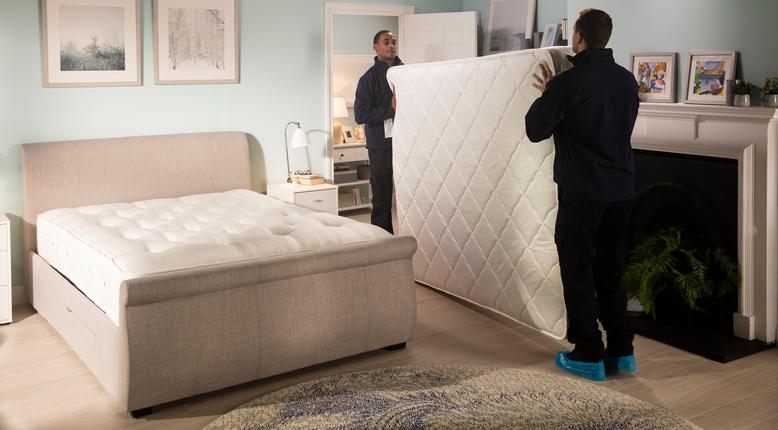
  • How often should I change my mattress?

    How often should I change my mattress?

    According to hygiene of our body looking after the place where we sleep is very important, so let’s find out how often should we change our mattress?

    How often should I change my mattress
    How often should I change my mattress

    Replace your mattress every 7 years

    Some organisations recommends replacing your mattress every 7-10 years, depending on comfort and support. The truth is that the life of a mattress varies wildly, which depends on how you take care of it, how you sleep on it and how often you rotate it.

    No need to panic, but a mattress that’s 10 years old could house up to 10 million dust mites.

    The life of a mattress varies wildly and depends on these factors

    Here is the type of mattress you buy that makes a difference:

    • Innerspring

    An innerspring mattress contains coil support systems that help to distribute your weight evenly across the mattress. They can last up to 10 years — sometimes longer if they’re two-sided and can be flipped over for more evenly distributed wear and tear.

    • Latex

    The durability of a latex mattress can vary depending on whether you buy a synthetic or organic latex mattress.According to the Sleep Help Institute, some latex mattresses come with warranties for as many as 20 to 25 years.

    • Memory foam

    Foam mattresses come in different materials and densities, which will determine how well they hold up. A quality memory foam mattress can last from 10 to 15 years with the right care, which includes regular rotating.

    • Waterbed

    Waterbed mattresses come in two types: hard-side and soft-side. Hard-side mattresses are the traditional type of vinyl waterbed mattresses, while soft-side are encased in a foam “box” and look much like other mattresses. Although less popular now than in the past, waterbed mattresses may be making a comeback. They can last anywhere from 5 to 10 years.

    On average, a hybrid mattress needs to be replaced after 6 years.

    • Hybrid

    Hybrid mattresses are a fusion of foam and innerspring mattresses. They usually contain a base layer of foam, a coil support system, and a top layer of foam. They don’t last as long as other types of mattresses, but the durability depends on the grade of the base foam and the type of coils.

    • Pillow-top

    A pillow-top may provide an extra layer between you and your mattress, but it won’t necessarily increase the mattress’ lifespan. The extra cushiony layer can break down over time and leave you with an uneven sleeping surface.

    How to know when to get rid of mattress?

    It’s recommended to replace your mattress. 

    This is because the older your mattress gets the less it can support your pressure points and the more it retains dust and sweat. For example, a mattress that’s 10 years old could house up to 10 million dust mites.

    Another sign that it’s time to say goodbye to your mattress is if you often wake up with aches or pains. This could be due to sagging in your mattress and if this is causing discomfort it’s time to renew. 

    Unsure where to put your old mattress once you’ve bought a new one? 

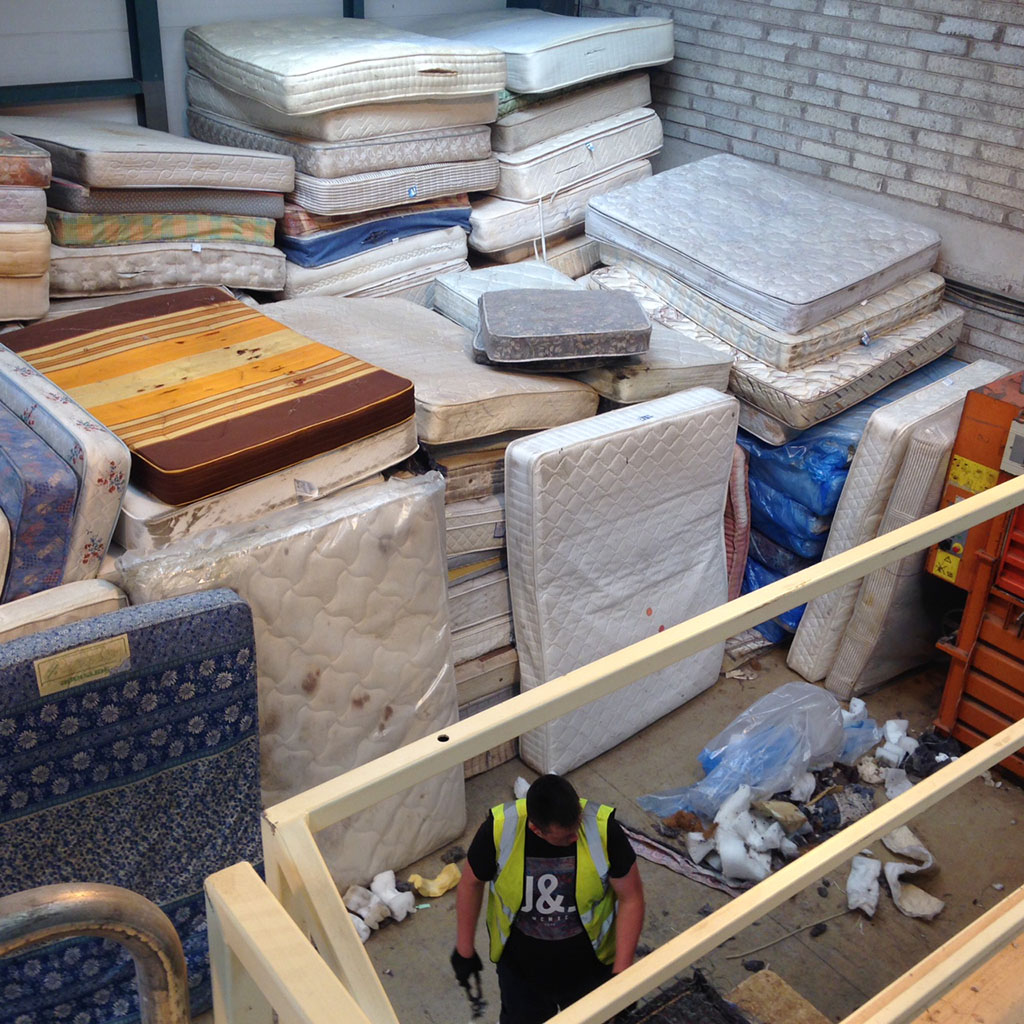
    Contact one of our colleagues at Rubbish Taxi and we will be more than happy to assist you in quickest way with all mattress and any other unwanted bed furniture you have. Our contact number is 083 8333 500. We accept mattresses from business clients from both public and private organisations in Dublin. Or, if you live in County Cork we could help you we can offer you top-5 local services that you could use for mattress disposal in Cork.

    Boomerang Enterprises provides a completely traceable, sustainable, dismantling and recycling of mattresses.
    Boomerang Enterprises provides a completely traceable, sustainable, dismantling and recycling of mattresses.
  • Rubbish removal Dublin 5

    Rubbish removal Dublin 5

    Waste management company Rubbish Taxi offers a range of rubbish removal services in Dublin 5. Our fully serviced vans roam the city, receive the order, and will make their way to your property for domestic waste collection & disposal in D5 – minimum hassle comes to you since we always do the lifting ourselves. Whether you’re a commercial premises owner domestic client or a domestic client, we can provide you with the professional, reliable and low-cost service that make waste removal less of a headache. Ring us today and check it yourself!

    Rubbish removal Dublin 5
    Rubbish removal Dublin 5

    Junk removal Dublin 5 – Affordable & compliant waste removal service in your area

    Whether you want to dispose of a large item, such as a sofa, cooker, bed or mattress, you can contact us and we will be more than happy to help you with waste collection. Rubbish Taxi clear and remove most types of waste – whether a few single items, a full house or office clearance, or perhaps a pile of fly tipped waste.

    We include all reasonable labour, we’re usually cheaper than a skip and if you live in Dublin 5 we will be more than happy to assist you.

    Our professionals are efficient and careful, since they are highly trained professionals chosen for their attention to detail for any domestic waste collection & disposal. Another very attractive aspect of our service is the quickness with which we come to your property once an order has been placed.

    We know cost is key and we’re confident you’ll find our rubbish removal service great value

    If you need help or assistance estimating your junk or booking a collection, please call or email us. We’re open Monday to Saturday, including early mornings and evenings.

    Or you can calculate your rubbish removal costs by using our online price calculator and submit order any time of the day. An amount will be calculated according to rubbishes weight, payment will be taken from there, we will load all of your rubbish into our truck, leaving you stress and clutter free.

    Dublin 5 includes most of Artane, central Coolock, Harmonstown, Kilbarrack, and Raheny

    More detailed information about the main areas and streets in Dublin 5:

    • Artane historically Tartaine is a northside suburb of Dublin city.
    • Raheny is halfway from the city centre to Howth. The district shares Dublin’s two largest municipal parks, Saint Anne’s Park and Bull Island with its 4.5 km beach, with neighboring Clontarf.
    • Harmonstown is a small suburban located on its north side. It straddles the boundary between modern-day Artane and Raheny.
    • Kilbarrack is running inwards from the coast, about 8 km from the city’s centre.
    • Coolock is a large suburban area, centred on a village, on Dublin city’s Northside in Ireland. Coolock is crossed by the Santry River, a prominent feature in the middle of the district, with a linear park and ponds.

    If you need to dump bulky waste and require a larger vehicle your local collectors offer the ideal solution for Rubbish-Taxi.

    Waste & Clearance Services available in Dublin city

    Cleaning up your waste has never been easier with Rubbish Taxi. We work throughout the Dublin city and County – from Dublin 15 to Dublin 12, Dublin 7 to Bray, Clondalkin to Tallaght and all places in between.

    Affordable & compliant waste removal
    Affordable & compliant waste removal Dublin 5

    How do I report illegal waste dumping?

    To report littering or illegal dumping, contact the local authority or call the 24-hour National Environmental Complaints Line on 1850 365 121

    When cleaning household rubbish, maintaining a well-organized property is crucial.

    However, property maintenance can sometimes lead to broader issues, such as disputes over property boundaries or concerns about property transactions. If you encounter any challenges with property purchases or disputes, Wellingtons Solicitors’ team is here to help. Their team provides expert assistance with buying and selling properties, ensuring smooth transactions and resolving any property-related disputes efficiently. Contact Wellingtons Solicitors today to discuss how their team can support you with all your property needs.

  • Rubbish removal Dublin 7

    Rubbish removal Dublin 7

    Rubbish Taxi is happy to provide rubbish removal service to people who live and work in Dublin 7. The area includes Smithfield, Stoneybatter, Arbour Hill, Broadstone, Cabra and Phibsboro. If you want to dispose of a large item, such as a sofa, any other old furniture, cooker, bed or mattress, you can contact us and we will be more than happy to help you with waste collection. 

    Rubbish collection and removal in Dublin 7

    Rubbish Taxi clear and remove most types of waste – whether a few single items, a full house or office clearance, or perhaps a pile of fly tipped waste. We include all reasonable labour, we’re usually cheaper than a skip and if you live in D7 we will be more than happy to assist you.

    Rubbish Taxi encompasses a whole range of services. Whether you have excess rubbish from a big event, moving house, clearing a garage, having new furniture delivered or simply a spring clean, we can offer a cost effective rubbish removal solution. We also offer a same day and next day service wherever possible.

    Here is a list of services we offer to our clients when they ask for junk removal from Rubbish Taxi:

    • fridges and radiators disposal;
    • household clearance;
    • bed disposal;
    • lofts & attic spaces clearance;
    • outhouses clearance;
    • sheds clearance;
    • table disposal;
    • living room clearance;
    • garages clearance;
    • mattress disposal;
    • bikes disposal;
    • kitchen clearance;
    • basements clearance;
    • general waste removal;
    • conservatory clearance;
    • sofa disposal;
    • kids toys disposal.

    From single items to full house removals and clearance

    • We deliver a comprehensive house clearance offer with a discreet and sympathetic bereavement clearance service across any Dublin areas.
    • We remove all types of garden, garage, office and domestic rubbish. House clearance and rubbish removals service. Same day service available.
    • We also transport a wide variety of items including motorcycles. Rubbish Taxi will be more than happy to assist you in quickest way.

    Our contact number is 083 8333 500. Or you can calculate your rubbish removal costs by using our online price calculator and submit order any time of the day.

    From which areas of Dublin 7 we collect waste

    Dublin 7 includes Smithfield, Stoneybatter, Arbour Hill, Broadstone, Cabra and Phibsboro. Of course, there is much more to Dublin 7 than Stoneybatter. The district includes Cabra, Grangegorman, Broadstone and Smithfield, and stretches as far as Ashtown and the Navan Road.

    If you don’t see your area in the list above please do not hesitate to contact us and we will be more than happy to assist you! Please remember, our waste management company offers commercial waste services for business and commercial organizations throughout the Dublin 7 area.

    Dublin 7 is North West of Dublin city centre.

    The area includes Arbour Hill, Smithfield, Stoneybatter, Broadstone, Cabra and Phibsboro.

    Local amenities and focal points include the Four Courts, Old Jameson Distillery, which shows how the famous whiskey is made, the Bridge Art gallery, Mill Race gallery and Collins Barracks which is home to the National Museum of Ireland. Public transport in Dublin 7 includes the Luas (Red Line) and Dublin Bus.

    Smithfield has been regenerated in recent years from a horse and fruit & Vegetable market (markets still exist) into a residential, commercial and cultural district, which plays host to a number of cultural events throughout the year.

    Interested to find out more about Dublin?

    • Is it safe to walk in Dublin at night? Exploring the safety of walking in Dublin after dark is crucial for both residents and visitors, as it can significantly impact one’s experience in the city.
    • Is Swords Dublin rough? Investigating the reputation of Swords as a potentially rough area can provide insights into its safety and community dynamics, helping individuals make informed decisions about living there.
    • Is Dublin 22 a nice place to live? Understanding the livability of Dublin 22 involves examining its amenities, community vibe, and overall environment to determine if it meets the needs of potential residents.
    • Is Dublin 1 a nice place to live? Evaluating Dublin 1’s livability entails looking at its cultural offerings, accessibility, and community atmosphere to see if it aligns with what residents seek.
    • Is Bluebell Dublin safe? Assessing the safety of Bluebell is essential for those considering moving to or visiting this neighborhood, especially in light of recent crime reports.
    • Why is Dublin so rough: Navigating the Nuances of Urban Life in Dublin? This inquiry delves into the complexities of urban life in Dublin, shedding light on the factors that contribute to perceptions of roughness in certain areas.
    • Areas to avoid in Dublin. Identifying areas to avoid in Dublin is vital for ensuring safety and comfort while navigating the city, especially for newcomers and tourists.
    Rubbish removal Dublin
    Rubbish removal Dublin
  • What can be recycled in Ireland – Recycling Tips and FAQs

    What can be recycled in Ireland – Recycling Tips and FAQs

    Have a question or are you confused? Here are some top recycling tips. Let’s begin with the basics.

    Recycling Tips and FAQs

    Be sure to know what you are allowed to put in your recycle bin.

    There are three main types of materials: paper and cards; plastics; and cans, tins and foils (metallic). These are the only items you should recycle – dry, clean, and loose.

    You should place all items in your recycling bin neatly, dry, and loose.

    Rinse all food or liquids out of your packaging and allow them to dry. Next, empty any liquids bottles that were used in the home and seal them. Then, take the items apart and put them in the bin.

    You can put the right thing in your right bin.

    Every recycling, general waste, and compost bin has its own job. Each year, recycling facilities see as much as 20% of recyclable material go into the general waste bin and as many non-recyclable items going into the recycling bin. Check out rubbish-taxi.ie for guidance on the right bin to put your item in.

    View rubbish-taxi.ie.

    You are struggling to find space in your recycling container?

    Recyclables should only be put in the recycle bin. Don’t pack them in plastic bags or flatten boxes. If you have limited space, your contractor will likely provide another recycling bin for a small fee.

    You don’t have labels or lids to take off.

    These items can be left on your recycling, and they will be recycled.

    Your electrical items can be recycled for free

    WeEE recycling points are available all across the country. Waste Electrical and Electronic Equipment is an acronym for Waste Electrical and Electronic Equipment. It includes items that are powered by a battery, or have a plug. You should not place these items in your recycle bin, as they may contain hazardous components. If you’re looking for a new appliance, WEEE material can be exchanged at any local electrical supplies store. Or it can be taken to your local recycle centre. Further details can be found at WEEE Ireland’s website or on rubbishtaxi.ie

    Shoes and clothes should not go in the recycling.

    You should not place shoes or clothes in your recycling bin. You can recycle clothing that is not usable. It is possible for clothing to get caught around machinery parts, causing problems at recycling facilities.

    Locate your local bottle bank and civic amenity site.

    Locate your local bottle bank and civic amenity sites. Search for your nearest recycle centre (civic Amenity Site), bring bank or lightbulb drop off location on rubbish-taxi.ie.

  • How Much Does Gutter Cleaning Cost in Dublin? A Comprehensive Guide

    How Much Does Gutter Cleaning Cost in Dublin? A Comprehensive Guide

    Maintaining clean gutters is essential for protecting your Irish home from the unpredictable weather. Clogged gutters can lead to a host of problems, including water damage, foundation issues, and even pest infestations. Understanding the costs associated with gutter cleaning, specifically “flushing” or power washing gutters, can help you budget effectively and ensure your home remains in top condition. This comprehensive guide will break down the costs of gutter cleaning in Ireland, with a specific focus on Dublin, and outline the factors that influence pricing.

    Understanding Gutter Cleaning Methods: Flushing vs. Manual Cleaning

    Before diving into the costs, it’s important to understand the different methods used to clean gutters.

    • Manual Cleaning: This involves physically removing debris from the gutters by hand, often using tools like scoops, brushes, and ladders.
    • Gutter Flushing (Power Washing): This method uses a high-pressure water stream to blast away debris from the gutters. It’s often more efficient for removing stubborn dirt and grime.

    While some companies use the term “flushing” to describe a general cleaning, it’s important to clarify whether they use power washing techniques, as this can affect the price.

    Average Gutter Cleaning Costs in Dublin and Ireland

    The cost of gutter cleaning in Dublin, and across Ireland, can vary based on several factors. However, here’s a general overview of what you can expect to pay:

    • Standard House (Front and Back Gutters): €100 to €200.
    • Basic Internal Clean: Starting from €60.
    • Internal/External Clean: Around €80 – €95.
    • Larger Homes/Intricate Systems: €150 to €300+.

    It’s important to note that these prices are estimates and can fluctuate. For example, some companies offer basic services from a certain price, but the final cost will depend on the specifics of your property. Some sources state that the average cost for front and back gutters on a standard house is around €150.

    gutter cleaning
    gutter cleaning

    Factors Affecting Gutter Cleaning Costs

    Several factors can influence the final cost of gutter cleaning:

    1. Property Size and Type: Larger homes with more gutters will naturally cost more to clean. This is because larger properties require more time and effort to clean. For example, gutter cleaning for a bungalow in Dublin may start at €60, but larger multi-story homes can cost significantly more.
    2. Gutter Length and Condition: The length of your gutters and the amount of debris buildup will impact the price. Heavily clogged gutters that require extra effort to clean will likely result in a higher bill. If there is a large amount of debris or blockages to clear, it may require extra work and affect the overall cost.
    3. Accessibility: Gutters that are difficult to reach due to height, landscaping, or other obstacles may incur additional charges. Sometimes the slates or roofing material can ingress beyond the center point of the gutter making it exceptionally difficult to clean.
    4. Cleaning Method: The method used (manual vs. power washing) can influence the price. Power washing may be more expensive due to the equipment and expertise required.
    5. Additional Services: Many companies offer additional services such as gutter repairs, soffit and fascia cleaning, and downspout clearing, which will add to the overall cost. Pricing for annual gutter maintenance does not usually include extra tasks like roof repairs or leaf guard installation; those expenses come separately.
    6. Location: Prices can vary slightly depending on your location within Ireland. Urban areas like Dublin may see higher pricing due to the increased cost of living and operational expenses.
    7. Cleaning Frequency: More regular maintenance often results in lower costs, as the gutters are less likely to become heavily clogged.

    Breaking Down the Costs

    To get a clearer understanding, let’s break down the potential costs for different scenarios:

    • Basic Gutter Cleaning (Small Property, Minimal Debris): €75 – €100.
    • Standard Gutter Cleaning (Average-Sized House, Moderate Debris): €100 – €150.
    • Extensive Gutter Cleaning (Large Property, Heavy Debris, Difficult Access): €150 – €300+.
    • Additional Services (e.g., Soffit and Fascia Cleaning): €95 – €110 (in addition to basic cleaning).

    Finding Affordable Gutter Cleaning Services

    Here are some tips for finding affordable gutter cleaning services in Ireland:

    • Get Multiple Quotes: Contact several companies to compare prices and services.
    • Ask for a Detailed Breakdown: Ensure you understand what’s included in the quote and any potential extra charges.
    • Consider Regular Maintenance: Regular cleaning can prevent costly repairs and reduce the overall expense in the long run.
    • Check for Special Offers: Some companies offer discounts for first-time customers or bundled services.
    • Read Reviews: Look for reputable companies with positive customer reviews.

    Eco Cleaning Company

    Eco Cleaning Company provide professional window cleaning and gutter cleaning services throughout Ireland at standard rates.

    Questions to Ask Before Hiring a Gutter Cleaning Service

    Before hiring a gutter cleaning service, be sure to ask the following questions:

    • Are you insured?
    • What cleaning methods do you use?
    • Do you offer a guarantee?
    • What is included in the price?
    • Are there any potential extra charges?

    Conclusion

    The cost of gutter cleaning in Ireland can vary, but by understanding the factors that influence pricing and following these tips, you can find a reliable and affordable service to protect your home from water damage. Whether you choose manual cleaning or gutter flushing, maintaining clean gutters is a worthwhile investment in the long-term health and value of your property.